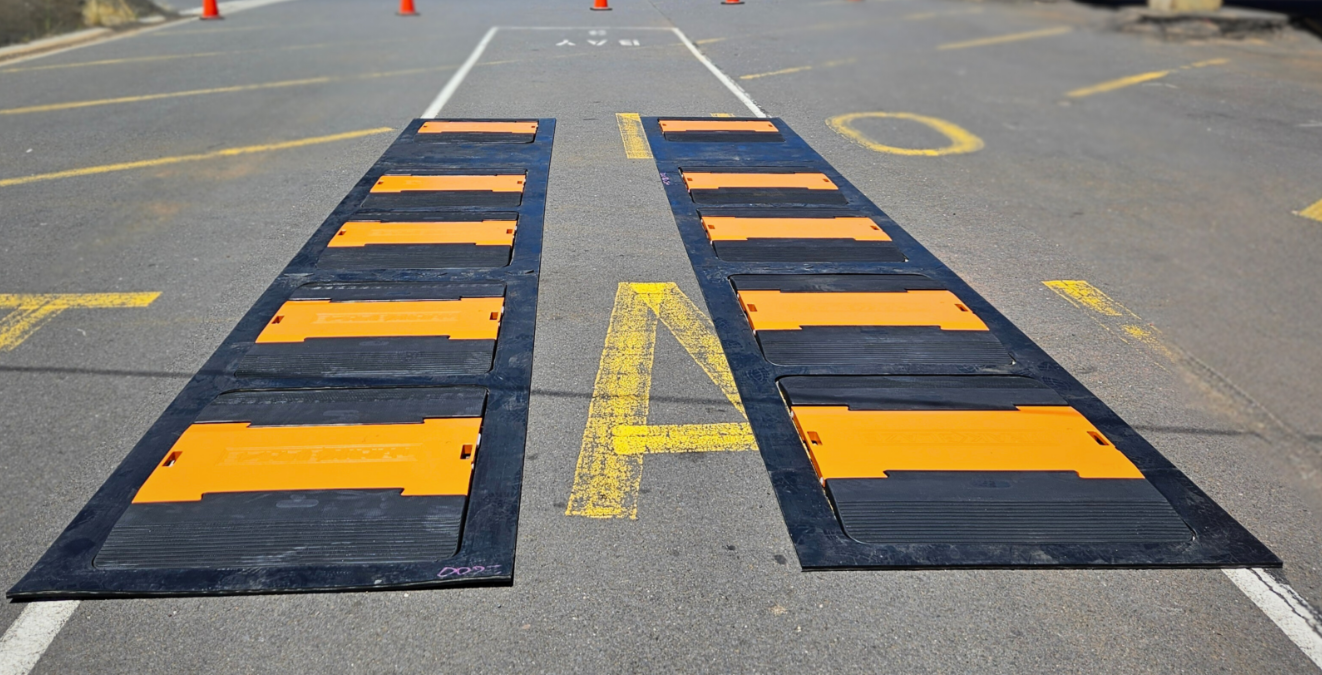
Anyone working in logistics knows things are changing fast. There’s more pressure to move freight quickly, stick to tight schedules, and stay compliant, all while dealing with sites that aren’t always set up with the infrastructure needed. One challenge that keeps coming up is weighing vehicles efficiently without losing time or rerouting trucks to a fixed weighbridge.
That’s exactly why portable weighing systems are getting more attention. They let you weigh loads on-site without compromising accuracy. For many operators, that kind of flexibility makes a real difference in how they manage time, fuel, and compliance.
Here’s why portable weighing systems are becoming essential tools across modern freight operations.
Mobility and On-Site Flexibility
Mobility and on-site flexibility are the most important factors driving the popularity of portable weighing systems in logistics. These capabilities are key differentiators compared to static infrastructure like traditional weighbridges. Heavy haulage businesses’ ability to operate and weigh the load at the point of loading or unloading solves some of the industry’s biggest challenges.
For instance, being able to weigh vehicles at the loading site eliminates the need to reroute vehicles to a fixed weighbridge. This reduces fuel consumption, shortens delivery times, and speeds up the overall operation. This benefit makes a huge difference for fleet operators and logistics operators working in remote areas or construction-based locations without easy access to a fixed weighbridge.
The portable weighing system can be quickly deployed to rural distribution centres or used temporarily at event-based sites, making it ideal for short-term or dynamic projects.
Improved Operational Efficiency
Portable weighing systems enhance operational efficiency in vehicle handling. For instance, being able to weigh a truck before it leaves the site reduces turnaround times at depots and yards while also ensuring that the vehicle is legally compliant before it hits the road.
This proactive approach to load distribution helps prevent the delays often caused by weight discrepancies discovered later during transit. Portable systems also help avoid congestion that centralised weighbridges can cause, especially during peak periods or when working with high volumes in time-sensitive environments.
Compliance and Safety
Regulatory compliance, particularly around axle loads and overall vehicle weight, is non-negotiable in logistics. Portable weighing systems make it easier for operators to meet these legal requirements by enabling regular, on-site checks prior to dispatch.
This helps prevent fines, penalties, and costly mechanical damage that can result from overloading. In addition to regulatory risks, overloading compromises the safety of the driver, cargo, and other road users.
Frequent and convenient weight checks help operators maintain consistent documentation and risk management practices. Additionally, portable weighing solutions support Chain of Responsibility (CoR) compliance by making it easier to document and verify that all parties in the supply chain have taken reasonable steps to manage risk during any heavy haulage.
Ultimately, these systems contribute to safer roads, better documentation, and stronger operational discipline so you can improve your operations while keeping drivers safe.
Real-Time Decision Making
Having access to accurate weight data on the spot can make or break an operation. Portable weighing systems empower logistics teams with immediate visibility into each vehicle’s load, allowing for smarter, faster decisions before a truck even leaves the yard.
These systems measure weight and can integrate with existing logistics platforms or transport management systems. As a result, they help streamline everything from compliance checks to load planning. In some setups, they even support weigh-in-motion technology, allowing vehicles to be weighed while still moving.
Moreover, when shifting load is a possibility, especially in long-haul operations, having the ability to check weight distribution in the field becomes critical for both safety and legal compliance.
Portable weighing systems offer that in-transit flexibility without the need for fixed infrastructure.
Cost Savings in the Long Run
Routing haulage to a fixed weighing station every time adds recurring operational costs. Investing in a portable weighing system involves upfront costs, but the long-term savings can be substantial. Likewise, it is often more cost-effective than building or upgrading permanent infrastructure.
Traditional weighbridges require significant civil works, space allocation, and ongoing maintenance, all of which contribute to a high total cost of ownership. In contrast, portable systems are compact and easy to deploy without major setup costs.
For businesses that require frequent weighing, this means they can scale based on operational demand. They can start with the units they need and expand over time, making the investment flexible and responsive.
Moreover, by preventing overloading, these systems help protect vehicles from avoidable wear and tear, which extends fleet life and reduces long-term maintenance costs.
The growing demand for portable weighing systems is all about convenience and cost savings. However, it also reflects where the logistics industry is heading. Decentralised networks, just-in-time delivery models, and rising compliance expectations mean that static infrastructure can no longer keep up.
As a result, portable weighing systems have become the ideal solution. Businesses that adopt portable weighing technology are improving operational flow and building resilience in their supply chains.
Ready to modernise your freight operations? Explore proven mobile weighing solutions engineered for real-world logistics environments.