

If you have never had your windows tinted, the appointment itself can feel like a mystery. You drop the car off, wait around, and pick up a vehicle that looks noticeably different, but the actual process in between is not something most shops walk you through in detail. Knowing what happens at each stage helps you spot a rushed job, ask better questions, and set realistic expectations for how the car will look and smell in the first few days after you drive it home.
How Long Does a Typical Tint Job Take?
Most full car tint jobs take between two and four hours, depending on the number of windows, the shape of the glass, and whether the installer is removing old film first. Curved rear windows and vehicles with complex window shapes, like hatchbacks or SUVs with wraparound glass, tend to take longer because the film needs to be shaped with heat rather than cut flat. A simple two window front job can sometimes be done in under an hour. If a shop quotes you 30 minutes for a full vehicle, that is often a sign they are rushing the trim work around edges and seals, which is where most visible mistakes show up later.
What Preparation Happens Before the Film Goes On?
Before any film touches the glass, a good installer spends real time cleaning the windows inside and out, since trapped dust or fibers under the film create permanent bubbles and specks that are impossible to fix without redoing the whole panel. They will also inspect for existing scratches, chips, or aftermarket defrost lines that could affect how the film sits. Old tint, if present, gets fully stripped along with the adhesive residue left behind, which is often the most time consuming part of the whole appointment. Skipping this prep stage is the single biggest cause of bubbling and peeling months down the road, so it is worth asking how thorough this step will be.
What Should You Look for in a Quality Window Tinting Service?
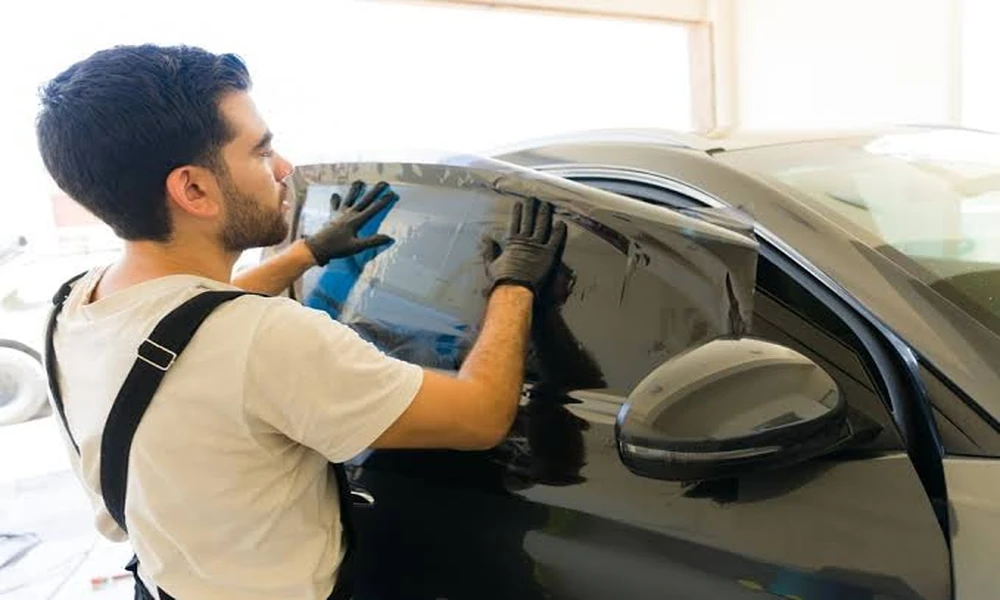
Not every shop handles the application stage the same way, and this is where experience really shows. Film is cut to match each window’s exact shape, either with a computerized pattern or by hand directly on the glass, then applied with a soap and water solution that lets the installer position it precisely before squeegeeing out the excess liquid and air. A dependable window tinting service will take extra care around edges, door seals, and defrost lines, since rushed trimming here is what causes lifting within the first few months. Ask to see examples of the installer’s past work on a similar vehicle before you commit, particularly around the tricky curved sections of rear windshields.
What Should You Expect During the Curing Period?
Freshly applied tint needs time to fully bond to the glass and for any remaining moisture to evaporate, which can take anywhere from a few days to a couple of weeks depending on the film type and outdoor temperature. During this window, you will likely notice a slightly hazy or cloudy appearance and small water bubbles that look alarming but are completely normal. Installers typically recommend keeping windows rolled up and avoiding harsh cleaning products until curing finishes. Rolling a window down too early can shift film that has not fully set, so patience here pays off.
What Should You Do in the First Few Days After Tinting?
The days immediately following your appointment matter almost as much as the installation itself. Avoid rolling any tinted window down until the curing period your installer specified has fully passed, since doing so too early can shift film that has not yet bonded completely to the glass. Skip automatic car washes during this window as well, since the brushes and high pressure water can catch an edge that is still settling. Small white spots or hazy patches you notice right after the appointment are almost always trapped moisture working its way out, not a defect, and they typically clear up completely within a week or two as curing finishes. If a bubble or lifted edge is still visible after the full curing period has passed, that is the point to call the shop back, since a properly cured, correctly applied film should look completely smooth and clear by then.
What Questions Should You Ask Before You Leave?
Before driving away, ask about the warranty length and what it covers, since reputable film manufacturers back their product against bubbling, peeling, and fading for many years. Find out what cleaning products are safe to use going forward, as ammonia based glass cleaners can damage certain films over time. It is also worth confirming the exact film brand and percentage installed, in writing, so you have a record if any issue comes up later.
A tint appointment involves a lot more careful work than the finished result lets on. Knowing what should happen at each stage, from prep through curing, makes it much easier to judge quality and catch problems early, rather than discovering a poorly trimmed edge or trapped speck of dust months after the job is done.