

Owning a vehicle is one of the biggest investments many people make, second only to buying a home. Whether you drive a brand-new SUV, a family sedan, a pickup truck, or a luxury vehicle, maintaining its condition is essential for preserving both its appearance and value. One question that often comes up among vehicle owners is, Is Car Detailing Worth the Cost?
While some people view car detailing as a luxury service, others consider it an essential part of vehicle maintenance. The truth lies somewhere in between. Professional detailing offers much more than a simple car wash. It helps protect your vehicle from everyday wear, environmental damage, and long-term deterioration that can cost significantly more to repair later.
In this guide, we’ll explore what professional detailing includes, its benefits, how much value it provides, and whether the investment makes financial sense for your vehicle.
What Is Car Detailing?
Before answering “is car detailing worth the cost”, it’s important to understand what detailing actually involves.
Unlike a standard car wash that focuses primarily on removing dirt from the exterior, professional detailing is a comprehensive cleaning, restoration, and protection process.
Typical services include:
- Exterior hand washing
- Clay bar treatment
- Paint polishing
- Wax or ceramic coating application
- Tire and wheel cleaning
- Engine bay cleaning (when applicable)
- Interior vacuuming
- Carpet shampooing
- Leather conditioning
- Dashboard and trim protection
- Window cleaning
- Odor removal
Professional auto detailing services are designed to restore your vehicle to the best possible condition while protecting it from future damage.
Why Car Detailing Costs More Than a Car Wash
Many people compare mobile car detailing prices to the cost of an automated car wash. However, the two services are entirely different.
A basic car wash usually takes only a few minutes and focuses on surface-level cleaning. Professional detailing, on the other hand, may take anywhere from three to eight hours depending on the condition of the vehicle.
Professional detailers use:
- Specialized equipment
- Premium cleaning chemicals
- Paint-safe tools
- Steam cleaners
- Machine polishers
- High-quality protective coatings
Much of the cost reflects the labor, expertise, and premium products required to properly clean and protect every part of the vehicle.
The Long-Term Value of Professional Detailing
One of the biggest reasons people answer “yes” to “is car detailing worth the cost” is because of its long-term value.
Instead of spending money fixing neglected surfaces later, detailing helps prevent expensive repairs before they happen.
Professional car detailing helps protect:
- Paint from oxidation
- Interior materials from cracking
- Leather from drying out
- Plastic trim from fading
- Carpets from permanent staining
- Wheels from brake dust buildup
Preventative maintenance almost always costs less than restoration.
Paint Protection Saves Money
Your vehicle’s paint is constantly exposed to harmful elements.
These include:
- UV rays
- Bird droppings
- Tree sap
- Road salt
- Acid rain
- Dirt
- Industrial fallout
Without proper protection, these contaminants slowly damage the clear coat.
Professional paint protection treatments such as waxes, sealants, or ceramic coatings create a protective barrier that minimizes damage.
Although ceramic coating represents a larger upfront investment, it often reduces maintenance costs over several years by making the vehicle easier to clean and protecting the finish from contaminants.
A Cleaner Interior Lasts Longer
The interior experiences daily wear from passengers, pets, food, drinks, dust, and sunlight.
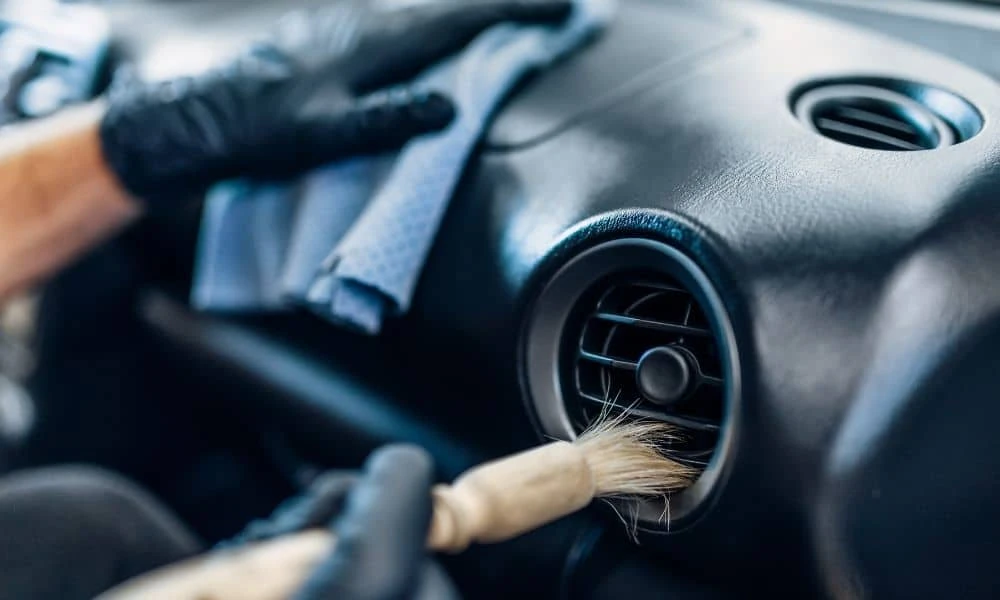
Professional interior car detailing helps preserve:
- Leather seats
- Fabric upholstery
- Dashboard materials
- Door panels
- Carpets
- Floor mats
Leather conditioners prevent cracking.
Fabric protection reduces staining.
UV protectants minimize fading.
Deep cleaning also removes allergens, bacteria, and unpleasant odors that ordinary vacuuming often misses.
Better Resale Value
When asking “is car detailing worth the cost”, resale value is often one of the strongest arguments.
Buyers naturally pay more for vehicles that look well cared for.
A clean vehicle creates positive first impressions by showing evidence of regular maintenance.
Professional detailing can:
- Increase buyer confidence
- Highlight paint quality
- Eliminate interior odors
- Restore faded trim
- Remove minor scratches
- Improve overall presentation
Even if local car detailing costs a few hundred dollars before selling, it may help attract more buyers and support a higher selling price.
Detailing Helps Preserve Your Investment
Most vehicles lose value every year.
While depreciation cannot be completely avoided, proper maintenance slows cosmetic deterioration.
Professional detailing helps preserve:
- Exterior gloss
- Interior appearance
- Paint condition
- Trim quality
- Wheel finish
Maintaining these areas contributes to a vehicle that continues looking newer for longer.
Time Is Valuable
Many people underestimate the amount of time required to properly clean a vehicle.
A thorough DIY cleaning may take:
- 2 hours washing
- 2 hours interior cleaning
- 2 hours polishing
- Additional time for drying
That’s often an entire weekend.
Professional detailers have the experience, equipment, and products to complete the job efficiently while producing higher-quality results.
For busy families and professionals, saving several hours may justify the investment alone.
Professional Equipment Produces Better Results
Another reason many drivers believe “is car detailing worth the cost” can be answered with “yes” is the level of equipment professionals use.
Professional detailing often includes:
- Dual-action polishers
- Paint thickness gauges
- Steam cleaners
- Hot water extractors
- Commercial vacuums
- Clay bars
- Premium microfiber towels
These specialized tools remove contaminants and restore surfaces much more effectively than standard household cleaning supplies.
DIY vs Professional Detailing
Many car owners enjoy maintaining their own vehicles.
While DIY maintenance certainly has value, there are limitations.
DIY detailing may include:
- Washing
- Vacuuming
- Interior wipe-downs
- Tire dressing
Professional detailing typically adds:
- Paint correction
- Machine polishing
- Deep stain removal
- Ceramic coating
- Headlight restoration
- Steam sanitization
Certain procedures require training and specialized equipment to avoid damaging the vehicle.
How Often Should You Detail Your Vehicle?
The ideal schedule depends on driving habits, weather conditions, and where you park.
General recommendations include:
Every Two Weeks
- Regular exterior wash
Every Three to Six Months
- Professional exterior car detailing
- Interior deep cleaning
Once Per Year
- Paint correction if necessary
- Ceramic coating inspection
- Complete vehicle restoration detail
Following a regular schedule prevents dirt and contaminants from causing long-term damage.
Who Benefits Most from Car Detailing?
Professional detailing is especially valuable for:
Daily Commuters
Frequent driving exposes vehicles to dirt, road grime, and contaminants.
Families
Children often leave food crumbs, spills, and stains that require deep cleaning.
Pet Owners
Pet hair and odors can be difficult to remove without professional equipment.
Luxury Vehicle Owners
Premium finishes deserve specialized care to maintain appearance and value.
Business Professionals
A clean vehicle reflects professionalism when meeting clients or customers.
Common Misconceptions About Detailing
Several myths discourage vehicle owners from investing in detailing.
“A Car Wash Is Enough”
Car washes remove surface dirt but don’t address paint contamination, interior sanitation, or long-term protection.
“Detailing Is Only for Luxury Cars”
Every vehicle benefits from protection regardless of age or value.
“It’s Too Expensive”
When compared to repainting faded paint, replacing damaged leather, or restoring neglected interiors, detailing often saves money over time.
“New Cars Don’t Need Detailing”
New vehicles also require protection against environmental damage from day one.
Signs Your Vehicle Needs Professional Detailing
You should consider scheduling detailing if you notice:
- Dull paint
- Water spots
- Swirl marks
- Interior odors
- Stained carpets
- Sticky surfaces
- Faded trim
- Dirty wheels
- Pet hair buildup
- Cloudy headlights
Addressing these issues early prevents them from becoming more difficult and expensive to correct.
After considering the benefits, the answer to “is car detailing worth the cost” is yes for most vehicle owners.
Professional detailing offers far more than cosmetic improvements. It protects your paint, extends the life of your interior, improves resale value, saves cleaning time, and helps prevent costly repairs caused by neglect.
Whether you plan to keep your vehicle for several years or eventually sell it, routine detailing is a smart investment that pays off in appearance, longevity, and overall ownership satisfaction.
Instead of viewing detailing as an unnecessary expense, think of it as preventative maintenance that helps preserve one of your most valuable possessions.
Final Thoughts
Regular professional detailing isn’t just about having a shiny vehicle-it’s about protecting your investment. By combining professional car detailing services, paint protection, thorough interior car detailing, and routine maintenance, you can extend the life of your vehicle while keeping it looking its best.
If you’ve been asking yourself, “is car detailing worth the cost”, the evidence points to a clear answer. The long-term savings, enhanced appearance, improved resale value, and protection against everyday wear make detailing a worthwhile investment for nearly every vehicle owner. Scheduling routine detailing today can help your car stay cleaner, last longer, and maintain its value for years to come.