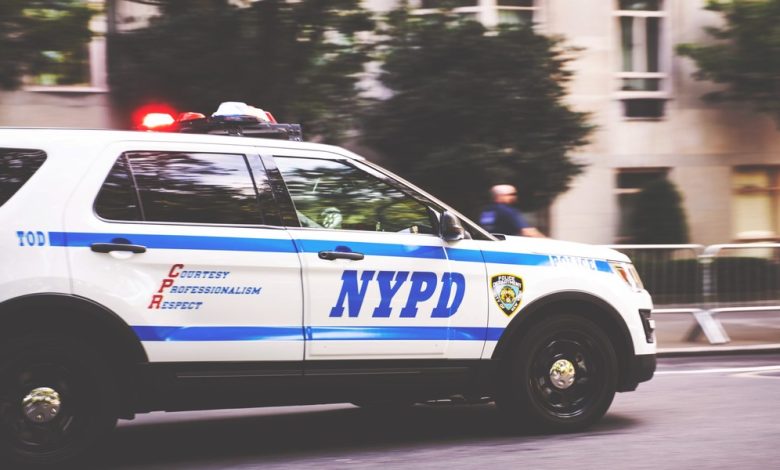
When was the last time you updated your police fleet vehicles? Of course, it’s important to maintain the vehicles themselves and make sure you have the safest, most effective options available. But along with the actual vehicles, police fleet graphics need careful consideration, too.
Fleet graphics age faster than most departments expect, particularly if they’re not properly installed or carefully maintained.
Your fleet likely spends long hours exposed to sun, heat, cold, moisture, and constant movement. Even the most high-quality vinyl faces daily wear from washing, road debris, and routine handling.
Over time, your once-sharp lettering will dull, edges will lift, and reflective elements will lose their brightness.
This takes a big toll on the overall look and impact of your vehicles. But the impact goes beyond appearance. Outdated graphics also reduce visibility, weaken identification, and create inconsistency across the fleet.
Refreshing fleet graphics restores clarity while reinforcing professionalism across every vehicle. Today, we’re going to tell you everything you need to know about refreshing your police fleet graphics.
We’ll cover some of the biggest signs to watch out for if you’re not sure if it’s time for an upgrade, as well as how to tell if a full replacement is necessary versus just a refresh.
How to Tell if It’s Time for a Fleet Refresh: Telltale Signs
Some warning signs appear slowly. Others become obvious overnight.
Faded colors often show first, especially on vehicles parked outdoors. Blues turn pale, blacks shift toward grey, and contrast drops. Lettering that once stood out begins to blend into the vehicle body.
Cracked or lifting vinyl edges signal material fatigue. This damage often starts near door seams, wheel wells, and curves where stress concentrates. Once edges lift, moisture and debris accelerate deterioration.
Loss of reflectivity presents a safety concern. When headlights no longer catch lettering or striping at night, identification suffers during low-visibility conditions.
Inconsistent branding often follows piecemeal repairs. A replaced door panel or updated unit number may not match older graphics, creating a patchwork look across vehicles.
When newer vehicles carry updated designs while older units retain outdated layouts, the fleet begins to feel divided rather than unified.
A refresh restores visual consistency and keeps identification clear across all lighting and weather conditions.
Refresh versus Full Replacement
A refresh doesn’t always require starting over from scratch.
Many fleets gain strong results from targeted updates. Replacing faded decals, upgrading reflective accents, or correcting placement inconsistencies often delivers noticeable improvement without having to undergo a full redesign.
Partial refreshes work well when the original design still fits current branding standards. This approach controls costs while extending the life of existing layouts.
Full replacement becomes the better option when branding guidelines change, vehicle models shift significantly, or materials reach the end of their usable life.
Older designs may rely on outdated fonts, color palettes, or reflective materials that no longer meet visibility goals. In these cases, continuing repairs often cost more over time than a clean update.
Evaluating the fleet as a whole helps decision-makers choose the right balance between refresh and replacement based on budget, schedule, and operational needs.
Get a Baseline: Determine How Your Current Police Fleet Graphics are Performing
Before planning updates, departments benefit from reviewing how current graphics perform during real use.
Visibility at night remains a top priority. Reflective elements should activate clearly under headlights and street lighting. If identification disappears after dark, updates should address reflectivity first.
Legibility at a distance matters during traffic stops, patrols, and emergency response. Fonts that once worked may now feel crowded or unclear on newer vehicle shapes.
Durability through wash cycles reveals material quality. Frequent lifting or shrinking points to aging vinyl or installation issues that deserve correction during a refresh.
Officer feedback provides valuable insight. Those who work around the vehicles daily notice glare, placement issues, or visibility gaps that may not be apparent during inspections.
Photos taken in daylight, dusk, and nighttime conditions reveal weaknesses that standard reviews may miss. This visual record supports better design decisions before installation begins.
Modern Materials and Design Considerations
Material options available today outperform many older installations.
Modern vinyl films resist cracking, fading, and edge failure longer when paired with proper installation. Improved adhesives hold securely while allowing clean removal during future updates.
Reflective materials now offer better brightness retention over time. Newer films maintain nighttime visibility longer, reducing safety concerns tied to aging graphics.
Design adjustments often focus on clarity rather than decoration. Simplified layouts reduce clutter and improve recognition speed. Strong contrast between lettering and vehicle color improves legibility in motion.
Typography updates may include wider spacing, cleaner fonts, and consistent sizing across the fleet. These changes help identification without overwhelming vehicle surfaces.
A refresh offers an opportunity to align materials and design with current operational needs rather than legacy standards.
Timing Fleet Refreshes Efficiently
Timing plays a big part in the success of graphic design refresh projects.
Coordinating updates with vehicle rotations reduces downtime. Vehicles scheduled for maintenance, inspection, or reassignment provide natural windows for graphic work.
Seasonal planning helps avoid extreme temperatures that affect installation quality. Controlled conditions support better adhesion and longer-lasting results.
Staggered scheduling keeps vehicles in service while updates progress. Rather than removing large portions of the fleet at once, departments maintain operational coverage throughout the process.
When you operate on a clear timeline for graphic design updates, this lends itself to more effective budgeting as well as internal coordination. Knowing when vehicles will cycle through refresh stages reduces disruption and confusion.
Thoughtful scheduling allows refresh projects to support operations rather than interrupt them.
Installation Quality and Long-Term Performance
Installation quality directly influences how refreshed graphics perform over time.
Surface preparation sets the foundation. Clean, residue-free panels prevent premature peeling and bubbling. Attention to seams, edges, and contours protects high-stress areas.
Experienced installers understand how vehicle shapes affect placement. Proper alignment avoids tension points that lead to early failure.
Edge finishing techniques protect against lifting during washing and daily use. Careful trimming and sealing extend material life.
Quality installation reduces maintenance needs and keeps graphics looking consistent across the fleet for years rather than months.
Maintenance After a Refresh
Refresh graphics are bound to perform best and last for as long as possible when they’re properly cared for.
After all, even if you have the most expertly-installed graphics, you still need to maintain them over time, especially considering everything your fleet could be exposed to.
With that in mind, focus on regular washing to keep the vehicles clear of anything that could contaminate or degrade vinyl.
Chat with your graphic designers to determine which cleaning products will work best on your graphics to prevent surface damage and maintain color clarity.
Keep up with inspection routines, too. This will help you catch small issues early on. For example, you might spot a minor edge lift or surface wear that you can fix now, rather than having to replace it entirely if the problem gets worse.
Training wash crews on safe practices protects reflective elements and printed surfaces. Simple guidelines preserve appearance and visibility over time.
Maintenance habits extend the return on investment from a refresh and keep vehicles presentation-ready.
Communicating the Update to the Public
The visual aspects of law enforcement vehicle graphics often come to mind first, but refreshing your graphics offers much more than just visual improvements.
Whether it’s on law enforcement vehicles or any other product, clear, professional graphics are a great way to make an impact and a positive impression.
For police departments, this includes reinforcing a sense of presence and reliability. Consistent identification builds recognition during patrols, responses, and community interactions.
When your fleet has updated, modern graphics, this effectively signals to the public that your department pays attention to details, which is particularly valuable in public-facing operations. Without having to add messaging, this boosts visual clarity, which supports trust.
You might even consider aligning refreshes with broader outreach efforts. For example, the new vehicle graphics could coordinate with those used for visuals across vehicles, facilities, and materials. This can be a terrific way to reinforce familiarity.
Even without announcements, refreshed fleets speak for themselves through visibility and cohesion.
Your Next Steps
Refreshing your fleet’s graphics will help your department maintain not only clear identification but also a professional appearance…all without unnecessary disruption.
If you employ trusted, expert graphic designers, you’ll benefit from their knowledge in choosing the best materials, layouts, and overall planning for long-term fleet use.
GDI Graphics supports police agencies through assessment, design updates, and installation coordination that keep fleets consistent, visible, and ready for daily service.
Contact them today to discuss refreshing your fleet graphics and get help from the best of the best in the law enforcement graphics business!