


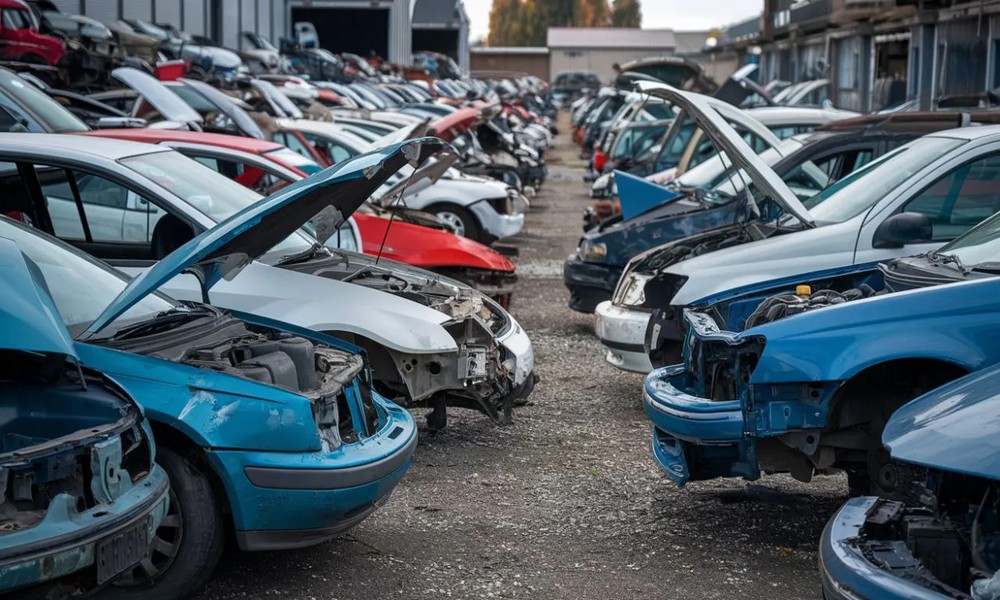
Buying car parts can quickly become expensive, especially when you’re dealing with major components like the differential or air conditioning system. That’s why more car owners today are turning to smarter, cost-effective alternatives-like purchasing a used differential or a used AC compressor for car. These parts can deliver excellent performance at a fraction of the price, if you know how to choose wisely.
In this guide, we’ll break down everything you need to know-from how these parts work to how you can find the best deals without compromising quality.
Why Choose Used Car Parts?
Let’s be honest-brand-new car components can burn a hole in your pocket. A brand-new differential or AC compressor can cost hundreds (sometimes thousands) of dollars depending on your vehicle.
That’s where used parts step in.
Key Benefits:
- Cost Savings: Save up to 50-70% compared to new parts
- OEM Quality: Most used parts are original factory components
- Eco-Friendly: Reduces waste and supports recycling
- Availability: Easier to find discontinued or rare parts
Used doesn’t mean worn out-it often means tested, functional, and affordable.
Understanding the Role of a Differential
Before buying a used differential, it helps to understand what it actually does.
The differential is a crucial part of your vehicle’s drivetrain. It allows your wheels to rotate at different speeds-especially when turning corners. Without it, your car would struggle to handle smoothly.
Signs Your Differential Needs Replacement:
- Whining or grinding noise
- Difficulty turning
- Vibrations while driving
- Uneven tire wear
Ignoring these signs can lead to serious drivetrain damage.
Why Buy a Used Differential?
Replacing a differential with a brand-new unit can be expensive. Opting for a used differential can be a practical solution if you’re on a budget.
What Makes It a Smart Choice?
1. Affordable Repairs
A used differential can cost significantly less than a new one, making it ideal for older vehicles.
2. OEM Reliability
Most used differentials come from original vehicles, ensuring compatibility and durability.
3. Tested Components
Reputable sellers inspect and test used differentials before selling them.
Tips to Find the Best Used Differential Deals
Not all used parts are created equal. Here’s how to ensure you’re getting a good deal:
Check Compatibility
Make sure the differential matches your car’s make, model, and year.
Inspect Mileage
Lower mileage usually means less wear and longer lifespan.
Ask for Warranty
Look for sellers offering at least a 30-90 day warranty.
Buy from Trusted Sources
Choose certified salvage yards or reputable online marketplaces.
Look for Fluid Condition
Clean fluid indicates proper maintenance, while dirty fluid can signal internal damage.
What is an AC Compressor and Why It Matters?
Your car’s air conditioning system relies heavily on the compressor. It circulates refrigerant and ensures your cabin stays cool.
A failing AC compressor can make driving uncomfortable-especially in hot climates.
Signs You Need a Used AC Compressor for Car
Before replacing, check for these warning signs:
- Weak or no cooling
- Strange noises when AC is on
- AC clutch not engaging
- Refrigerant leaks
If repair isn’t possible, replacing it with a used AC compressor for car can save you a lot of money.
Benefits of Buying a Used AC Compressor for Car
1. Budget-Friendly Option
A used AC compressor costs much less than a new one while offering similar performance.
2. Faster Availability
Used compressors are widely available and ready for installation.
3. Environmentally Responsible
Reusing parts reduces landfill waste and energy consumption.
How to Choose the Right Used AC Compressor
Buying the wrong compressor can lead to further issues. Here’s how to get it right:
Check for Leaks
Ensure the compressor is free from oil or refrigerant leaks.
Inspect the Clutch
The clutch should engage smoothly without noise.
Verify Part Number
Always match the part number with your vehicle’s requirements.
Look for Warranty
A short-term warranty gives peace of mind.
Ask About Testing
Ensure the compressor has been pressure-tested before purchase.
Where to Find the Best Deals
Finding high-quality used parts is easier than ever thanks to online platforms and salvage networks.
Top Sources Include:
- Auto Salvage Yards: Local junkyards often carry tested parts
- Online Marketplaces: Websites specializing in used auto parts
- Certified Recyclers: Offer inspected and graded components
- Mechanic Recommendations: Trusted workshops often have supplier contacts
Common Mistakes to Avoid
Even though buying used is smart, there are some pitfalls you should avoid:
Ignoring Compatibility
Always double-check fitment before purchasing.
Buying Without Warranty
No warranty means higher risk.
Choosing Cheapest Option Blindly
Extremely low prices can indicate poor condition.
Skipping Inspection
Always inspect or request detailed images.
Maintenance Tips to Extend Lifespan
Once you’ve installed your used parts, proper maintenance is key.
For Differential:
- Change gear oil regularly
- Avoid aggressive driving
- Check for leaks
For AC Compressor:
- Run AC regularly to keep seals lubricated
- Keep refrigerant levels optimal
- Replace cabin air filters
Are Used Parts Reliable?
Yes-if purchased correctly.
Many used components come from low-mileage vehicles or cars involved in accidents where the parts remained unaffected. With proper inspection and testing, they can perform just as well as new ones.
Final Thoughts: Save Smart Without Compromise
Choosing a used differential or a used AC compressor for car isn’t just about saving money-it’s about making a smart, practical decision.
With rising car maintenance costs, used parts offer a reliable alternative that balances affordability and performance. The key lies in buying from trusted sources, verifying compatibility, and ensuring basic quality checks.
If your car is showing signs of drivetrain issues or weak air conditioning, don’t rush into buying expensive new parts. Explore high-quality used differential options and a dependable used AC compressor for car to get your vehicle back on the road without overspending.
Start by researching reputable sellers, compare prices, and always prioritize quality over shortcuts.