
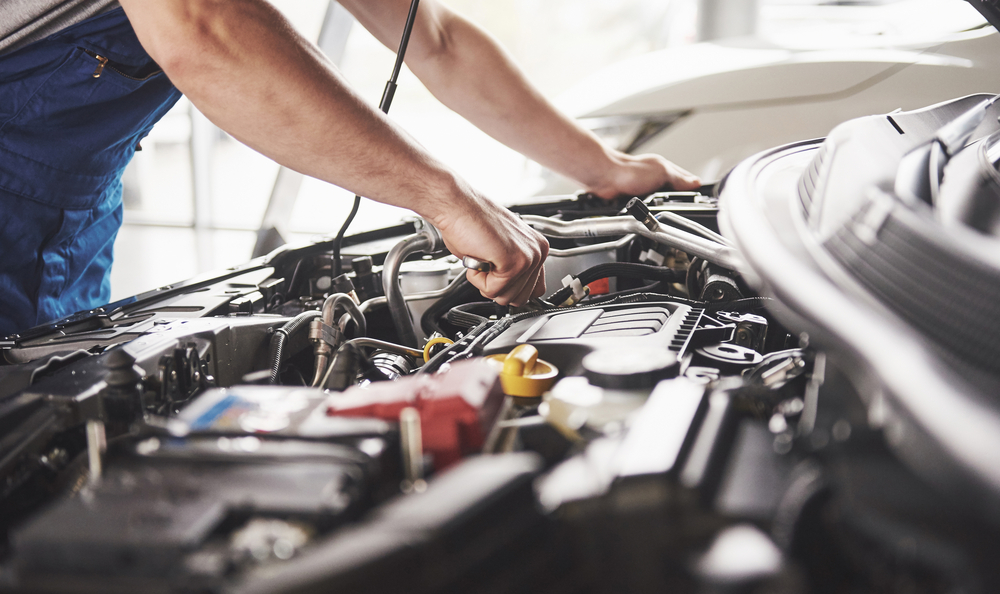
The transmission is one of the most important yet expensive components of any vehicle, and ignoring its early warning signs can quickly lead to costly repairs. Just like visiting a muffler shop for exhaust concerns before they escalate, paying attention to how your transmission performs can save time, stress, and money. From unusual noises to slipping gears and leaking fluid, these problems rarely happen overnight. By learning what to watch for, drivers can spot issues early, protect their vehicles from severe damage, and avoid the financial burden of a major breakdown.
Why Transmission Health Matters
A vehicle’s transmission is essentially the bridge between the engine and the wheels, ensuring the power generated by the motor is delivered smoothly and efficiently to keep the vehicle moving. Without it, no matter how strong the engine is, the car simply won’t function. This makes the transmission one of the most critical systems in any vehicle, and when it begins to fail, the effects ripple through every other aspect of driving. Shifting becomes inconsistent, acceleration unreliable, and fuel economy can plummet as the system struggles to perform properly. Neglecting its health is not simply a mechanical issue; it directly affects how safe and efficient a vehicle is on the road.
Another reason to pay close attention to the transmission is the high cost associated with repairs and replacements. Unlike smaller components such as belts, filters, or even mufflers, transmissions are highly complex systems filled with intricate parts and fluid channels that require skilled labour to service. When small issues are ignored, they quickly snowball into major damage, resulting in thousands of dollars in repair bills or the need for a complete replacement. On the other hand, addressing problems early—sometimes with something as simple as replacing fluid or seals—can dramatically extend the life of the system. Taking the time to care for your transmission now protects not only your wallet but also the long-term performance of your vehicle.
Warning Sign #1: Strange Noises When Shifting
One of the earliest indicators of a transmission issue is a strange noise when shifting gears. Drivers may notice grinding, whining, or clunking sounds when moving the vehicle into drive, reverse, or while accelerating. These noises often suggest that transmission fluid is low, contaminated, or that internal components such as gears or bearings are beginning to wear out. Because these sounds are often intermittent at first, it can be tempting to dismiss them as minor quirks. However, they are the system’s way of warning that something is not working as it should. Allowing these noises to persist without inspection can lead to more extensive wear and eventually complete mechanical failure.
It’s important to note that a healthy transmission operates quietly and almost imperceptibly. Any deviation from this smoothness should be considered unusual. In some cases, the fix may be as straightforward as flushing and replacing old transmission fluid, which is relatively inexpensive. In others, it might involve more significant servicing, but addressing it early always reduces the potential cost compared to waiting for the issue to escalate. Listening closely to how the vehicle sounds when shifting provides one of the simplest, most effective ways to spot problems before they spiral into serious repairs.
Warning Sign #2: Slipping Gears
A properly functioning transmission locks the vehicle into the gear selected, whether automatic or manual. Gear slipping happens when the transmission fails to stay engaged, causing the engine to rev while the car does not accelerate in line with the power being produced. This can happen sporadically or consistently and is especially noticeable during highway driving or when trying to accelerate from a stop. The sensation is unsettling, as the car feels like it’s hesitating or losing power, and it signals that the transmission is struggling to maintain control.
Beyond being a mechanical issue, slipping gears are a serious safety concern. Imagine merging onto a highway or turning across traffic only to find the vehicle does not respond as expected. The delay or lack of power can put both the driver and passengers at risk. Slipping often results from worn-out clutch packs, low or degraded transmission fluid, or failing internal components. While it may still be possible to drive with this issue in the short term, the risks and damage increase with every kilometre. Having the transmission inspected immediately after noticing slipping is essential to protect both the vehicle and the people inside it.
Warning Sign #3: Delayed or Rough Shifting
Smooth shifting is one of the clearest signs of a healthy transmission. When the system begins to falter, delays in shifting into drive or reverse often become noticeable. Instead of responding instantly, the vehicle hesitates, sometimes followed by a sudden jolt as the gear finally engages. This delay may seem minor at first but is usually a symptom of deeper problems such as worn seals, fluid pressure issues, or internal component wear. As the problem progresses, the hesitation can become more severe and disrupt the overall driving experience.
Rough or jerky shifts while accelerating are another warning that should never be overlooked. The feeling of the vehicle lurching forward or struggling to switch gears indicates that the transmission is not operating as designed. In automatic vehicles, this often points to low or degraded fluid, which prevents the system from creating the hydraulic pressure needed for smooth operation. In manual vehicles, it may be linked to clutch problems. Regardless of the type, rough shifting is the kind of problem that only gets worse with time. Early detection allows for smaller, less expensive interventions, whereas waiting increases the likelihood of full-scale repairs.
Warning Sign #4: Leaking or Burnt Fluid
Transmission fluid plays a critical role in keeping the system running smoothly. It lubricates gears, prevents overheating, and ensures consistent performance. Healthy fluid is typically bright red with a slightly sweet scent, while fluid that appears dark or smells burnt is a sign of trouble. Leaks are equally concerning, as even small amounts of lost fluid can lead to insufficient lubrication and rapid wear of internal components. Homeowners often discover leaks by noticing spots on the driveway or garage floor beneath their vehicle.
Addressing fluid issues quickly can save thousands of dollars in future repairs. A simple fluid change or replacing a worn seal is inexpensive compared to fixing damaged gears or clutches. In fact, many serious transmission failures begin with something as basic as neglected fluid maintenance. Checking fluid regularly and responding to leaks promptly is one of the easiest ways to extend the lifespan of the transmission. For those unsure, many repair shops can perform a quick inspection to determine the health of the fluid and whether action is needed.
Warning Sign #5: Warning Lights on the Dashboard
Modern vehicles are equipped with advanced sensors that monitor multiple systems, including the transmission. When something goes wrong, the “check engine” light or a specific transmission warning light may appear on the dashboard. While some drivers continue to drive when these warnings appear, treating them as minor inconveniences, this habit is costly in the long run. These lights are early alerts designed to give drivers time to act before small problems escalate.
A diagnostic scan is often all it takes to identify the issue behind the light. Sometimes it’s as simple as a faulty sensor, but in other cases, it may reveal hidden transmission issues that have not yet become obvious. By ignoring these alerts, drivers miss the opportunity to correct the problem early, when repairs are more affordable and manageable. Treating warning lights seriously ensures both peace of mind and the long-term health of the vehicle.
The Cost of Ignoring Transmission Problems
One of the strongest arguments for catching transmission issues early is the enormous difference in cost between minor and major repairs. A small leak, for example, might require only a seal replacement and a fluid top-up. Left untreated, however, it can lead to overheating and gear damage, resulting in the need for a full transmission rebuild. While preventative maintenance can cost a few hundred dollars, major repairs can run into the thousands.
Beyond the financial strain, ignoring these problems creates inconvenience. A failed transmission often leaves a vehicle undrivable, stranding the driver and requiring costly towing services. It also means days or even weeks in the shop for major repairs. By comparison, early inspections and minor fixes keep the vehicle reliable, allowing drivers to avoid both the stress and expense of an unexpected breakdown.
How Regular Maintenance Prevents Problems
Preventive maintenance is the key to avoiding transmission headaches. Regular fluid checks, servicing at recommended intervals, and inspections from trusted mechanics all contribute to a healthier system. Transmission fluid should be checked for level, colour, and smell, as these characteristics reveal much about the system’s health. Small investments in maintenance today help avoid overwhelming repair bills tomorrow.
In addition, regular visits to auto shops for routine services offer a chance for professionals to catch early signs that drivers may not notice. Mechanics can check for leaks, test fluid quality, and monitor shifting behaviour during test drives. By creating a habit of preventative care, drivers not only extend the lifespan of their transmission but also improve the reliability of their vehicle overall. A consistent approach to maintenance makes ownership smoother, safer, and far less expensive in the long run.
Shift Into Action Early
Transmission problems rarely appear overnight—they develop slowly, offering multiple chances for early detection. Recognizing symptoms such as strange noises, slipping gears, rough shifts, leaking or burnt fluid, and dashboard warnings can prevent severe damage and costly repairs. By acting early, drivers protect their safety, preserve their vehicle’s reliability, and save significant amounts of money. Shifting into preventative action is always the smarter move, ensuring peace of mind and a car that stays road-ready for the long haul.