


Introduction
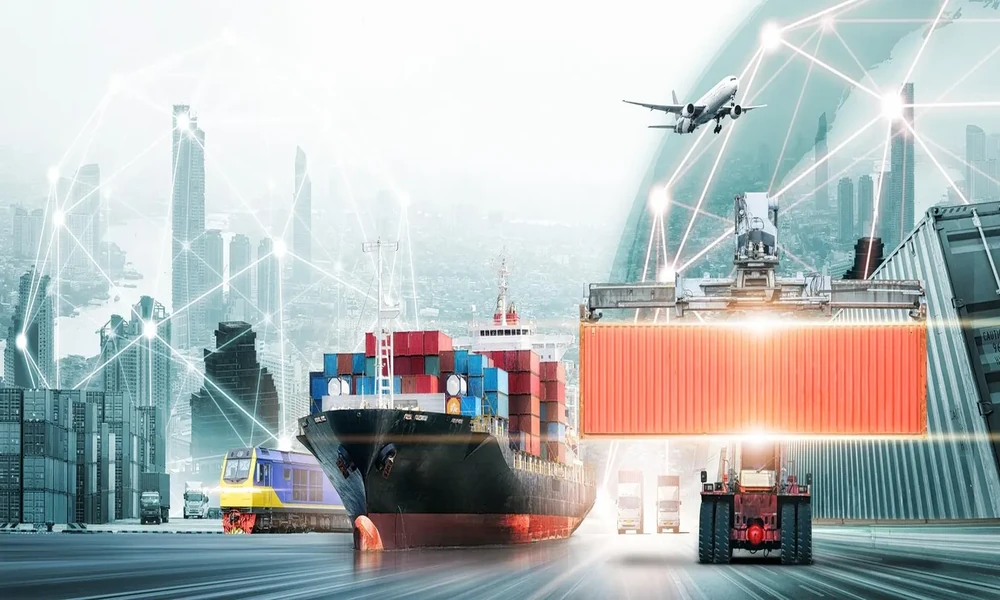
Freight transportation is the foundation of supply networks that drive global industries. It’s all about transporting the cargo where it needs to go, in excellent condition, and at the best available cost, whether you’re transporting building supplies from one city to another or delivering a load of fresh food from one country to another. This article explains how freight transportation plays an important role in today’s commerce.
Efficient movement of goods is essential for businesses that depend on reliable supply networks and timely deliveries. Freight transportation connects manufacturers, suppliers, distributors, and customers by moving products through suitable routes and modes of transport. Careful planning, shipment monitoring, carrier coordination, and load management can help companies reduce delays, control transportation costs, and keep their operations running smoothly.
Planning strategically for smooth operations
The foundation of efficient freight management is strategic planning. Without an organized strategy, operating a freight business can turn into chaos. It’s about organizing things so that commodities flow smoothly and expenses are kept low, from choosing the optimal routes and delivery timetables to choosing the forms of transportation (air, sea, or land). The simplest route may appear to be the fastest, but there are other things to consider, such as weather, road construction, and other occasional problems.
Improved monitoring and transparency
Tracking freight used to be like trying to find a needle in an ocean. Now, visibility is at its peak. Freight transportation can now be monitored for the movement of products from the time they leave the storage facility until they reach their destination because of the development of GPS technology, Internet of Things (IoT) devices, and real-time tracking tools. The consumer benefits from this increased visibility in addition to management. Customers can follow their deliveries with updates in real time.
Choosing a carrier and forming partnerships
Finding a carrier who can transport cargo from point A to point B is only one aspect of carrier selection. Another is selecting the appropriate partner. After all, when it comes to urgent shipments and strict deadlines, these people will be your support system. Developing a connection with carriers can have significant effects. While getting the best rates is mandatory, it’s not the only thing to do. Knowing you increases your chances that a carrier will give you the highest priority.
Cost reduction and improving efficiency
The freight transportation industry might come to a complete stop if a single component isn’t working properly. Fuel, automobiles, driver salary, servicing, and connectivity all contribute to the high cost of freight. However, companies can reduce expenses by utilizing sophisticated route planning, utilizing technological advances, and obtaining better carrier prices. Finding partnerships and methods that can provide sustainable savings while upholding high-quality service is important.
Optimizing routes and loads
Planning a route is similar to playing chess. The weather, traffic, road construction, and the actual freight must all be considered in advance. Expensive delays or even late deadlines might arise from a simple delay in route preparation. There is more to route optimization than just finding the shortest path. It’s about finding the most effective path in the current situation. In terms of load planning, it’s one of those things where a little consideration eases up more processes. Packing everything into a truck or crate is just one aspect of maximizing limited capacity.